I’m a big fan of afternoon teas, and my only regret about having a blog dedicated to chocolate is that I can’t write about all the amazing non-chocolate teas there are in the world.
Needless to say, I jumped at the chance when I was invited to sample a special Chocolate Week afternoon tea at The Park Lane Hotel, Piccadilly. It’s a collaboration with Thorntons and runs at the hotel until Sunday October 27th.
Now, at this point you might be thinking that a “Thorntons” afternoon tea sounds a bit too sweet for you. But rest assured, this is one of the most interesting takes on the concept that I’ve seen for a while. It was developed by Thorntons’ master chocolatier Keith Hurdman in collaboration with the hotel’s pastry chef Sarah Hartnett, and is “inspired” by some of Thorntons’ flavours rather than using them directly.
The sandwich course contains some cocoa elements, but never overdoes it or tries to mix chocolate into absolutely everything.

I’m not very good at explaining savoury food. Suffice to say, it’s all really good. Here’s the menu:
- Cocoa, tamarind and thyme cured salmon, basil bread
- Moroccan spiced roast sirloin of beef, wild rocket and cucumber yoghurt
- Salt and pepper roast corn fed chicken, cashew nut, celery mustard mayonnaise, mini ciabbatta
- Mushroom and rosemary crème brulee, parmesan crumble
- Prosciutto, buffalo mozzarella, manzanella olive and crudo chocolate Panini
The scones – chocolate, plain, cocoa nib & chocolate chip are served with some great jams, including a chocolate & raspberry jam one, plus lashings of clotted cream. But of course, the main attraction is the pastry selection.

- Passion fruit and white chocolate mousse, macadamia nut crisps
- Tiramisu with mascarpone, roasted almonds & espresso jelly
- Raspberry cheesecake bombe, malted white chocolate shortbread biscuits
- Coconut mousse with milk chocolate and lime cream centre and crunchy coconut
My favourite has to be the coconut mousse (top picture) which is like a wonderfully coconutty tea cake. The raspberry cheesecake bomb was packed with zingy fruitiness and the passionfruit and which chocolate mousse was actually quite like a delicious custard tart. Unfortunately, I didn’t get to try the tiramisu… I may have to go back!
Thorntons Chocolate Week Afternoon Tea at The Park Lane Hotel is served from today until 27th October (3pm – 6pm on weekdays and 2pm – 6pm at weekends) in The Palm Court and costs £41 per person with Mumm champagne or £33 without. To book, call The Palm Court on 020 7499 6321 or visit www.palmcourtlondon.co.uk
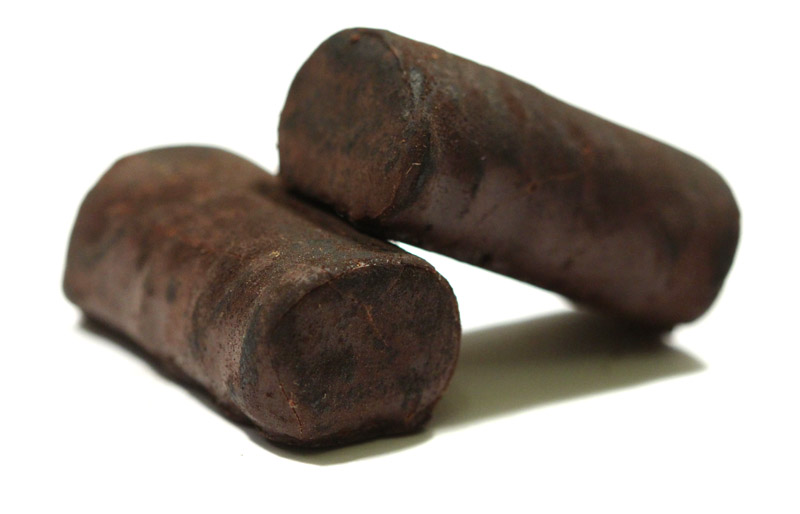
Cupuaçu, the fruit of the Theobroma Grandiflorum is something I’ve wanted to try for a long time. It’s a close relative of Theobroma Cacao, the cocoa tree, and produces a similar looking fruit that’s filled with a white pulp.
Well I have to wait no longer, as British chocolatier Marc Demarquette has produced these exciting truffles, made with a cupuaçu “ganache”, covered in Brazilian dark chocolate. They’re log shaped, about 2cm long funny looking things to look at. But the taste is really quite interesting.
The filling is 85% cupuaçu, combined with fresh cream and honey, and that honey was the first flavour I picked up. When I first heard about these truffles, I was told they were a Grandiflorum truffle with no actual chocolate at all, so I was initially a little disappointed to discover the other flavours and that they’re covered in a thin layer of 71% dark chocolate.
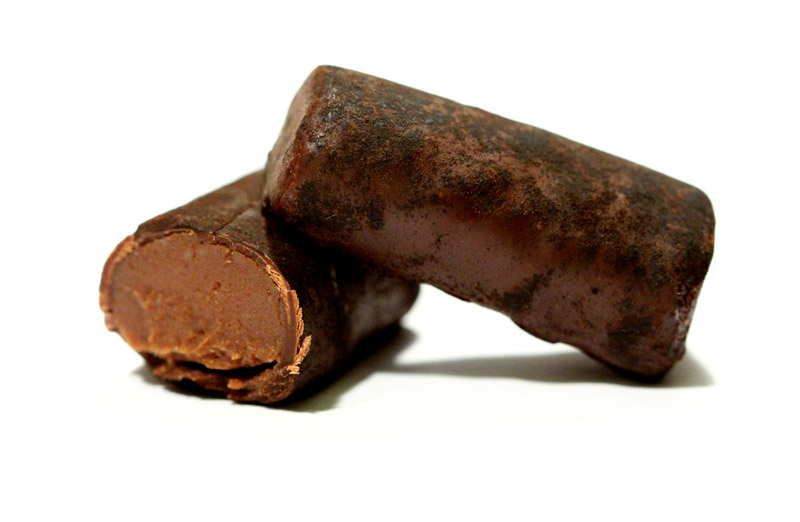
Luckily though, it’s a very thin layer of dark chocolate, and is probably there to keep the the soft, smooth filling in place as much as anything. It’s a very nice chocolate, but it does make it a little more difficult to pick up on the actual flavour of the Cupuaçu itself.
But let it melt slowly and the other flavours start to come to the front. It’s vaguely chocolatey, quite floral and has some very interesting tropical fruit notes. There are hints of pineapple and a noticeable grapefruit note in the finish. It’s really very nice indeed.
I’d still like to taste the unadulterated cupuaçu, but Marc is a fantastic chocolatier, so I’m certain the other flavours are there for a reason. Recommended for anyone who wants to understand a little more about cacao and its relatives, but even more so for those who just want to try an unusual and flavourful truffle.
The chocolate industry is shrouded in an appalling history of exploitation in the developing countries where most cocoa is grown – from depleting vital agricultural resources, to slave labour and child trafficking.
But things are starting to change, and thanks to a growing consumer demand for ethical practices, many of the world’s biggest chocolate firms have declared themselves Fair Trade, and signed up to a protocol promising to eradicate child labour.
But other, smaller companies are doing far more. I’ve been speaking to a relative newcomer – Menakao, which has forged a special relationship with the country where its chocolate is entirely produced – Madagascar.
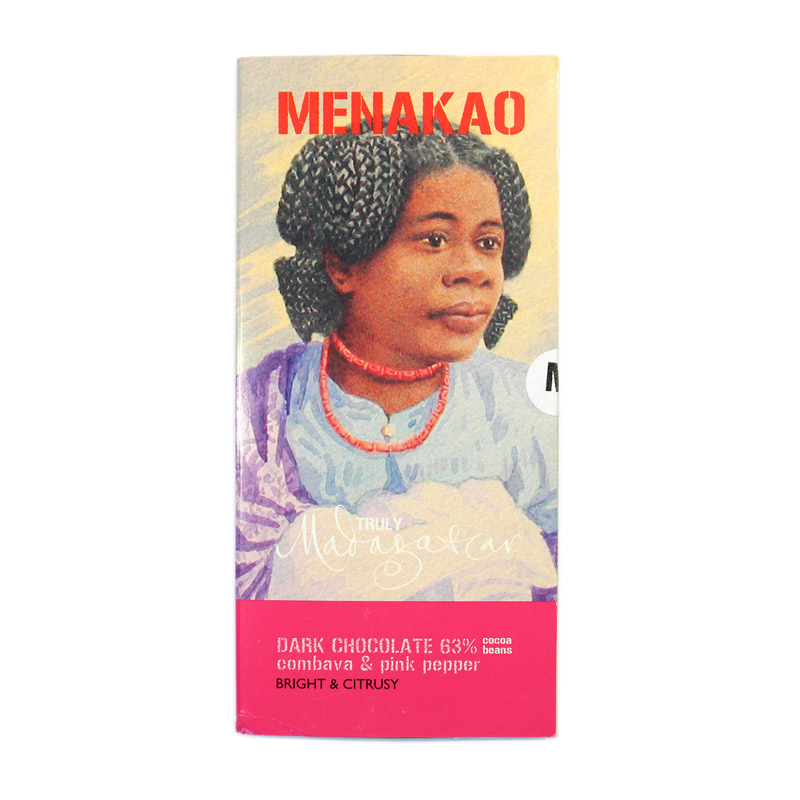
The brand was only launched in 2011, but it is owned by Cinagra which has been producing high quality chocolate since 2006: it’s just now becoming available in the UK. The name itself comes from the Madagascan word for red – Mena: symbolising the colour of cacao itself and the land where it is grown. Even the packaging showcases the country, based on old postcards with images of local people.

Their beans come from plantation Milot, set up by a missionary a century ago – which has now become the centre of an entire local economy. They work with a local co-operative, paying well over the odds for cocoa in order to set a truly fair price: around 100 farmers benefit directly from their business.
Most cocoa is exported, to be produced around the world, but Menakao has set out to produce everything involved with the products in Madagascar. That means far more income is ploughed back into the local economy, from salaries which are spent there, to reinvested tax.
They’ve built an entire chocolaterie, hired and trained local people and now pride themselves on their generous wages, some 10% over the usual rate, and excellent working conditions. Workers get free transport to and from work, free lunches, pensions and social security for their family – a huge benefit in a country like Madagascar. Even the hot showers are a rare, and much-valued luxury.
“It’s amazing to be able to change peoples’ lives simply by doing my job.”
Valerie Montbarbon, who’s in charge of the firm’s European operations, says she loves being involved in a company grounded in such good ethics. “It’s amazing to be able to change peoples’ lives simply by doing my job”, she says. “It’s not about just giving people money, but helping them to generate their own income, and educating women and children to really change the whole mentality.”
Menakao is now involved in a range of community projects. One produces solar electricity. There’s a communal garden which teaches people the techniques of gardening, which they can then use to develop their own land. Another scheme purchases local cows which helps families with transportation and labour in the fields. A new central oven allows women to bake pastries which they can then sell – generating more income. A local school has been completely transformed from rundown shack to state of the art facility. And to help poorer children make it to class, they pay for uniforms and food for their lunches. Enough money has also been raised to build a second school.

Next on the agenda for Menakao is a new bar with all profits going straight back to Madagascar. “All companies, not only chocolate, involved with developing countries, must have a social sense of responsibility”, says Valerie. “There is so much to do, but even a very little can make a huge difference.”
This really is the chocolate that keeps on giving.

This is something of a departure for me. It’s been quite a while since I’ve written about any out-and-out confectionery, but these little guys intrigued me. I picked them up at Kennedy’s Chocolate Industry Network, a one day conference for the confectionery industry.
They’re tiny non-ice cream versions of Cornetto and Magnum, and they’re made by Kinnterton, a fairly large confectionery company. Other than licensing the names, ice cream makers Unilever have nothing to do with them.
I have to admit, I find the concept and packaging quite appealing. Unfortunately the cute wrappers are the best thing about these awful, vile tasting sweets. Let’s start with the Magnum.

A simple Magnum ice cream on a sunny day is still one of my guilty pleasures. It may be mass produced, but a Magnum ice cream feels like a quality indulgence.
This is not a Magnum ice cream. As you open the wrapper, you’re greeted by an, oily sweet smell. It’s apparently made from 38% Rainforest Alliance certified milk chocolate, which is great. Unfortunately, the gloop that takes the place of ice cream completely overpowers it. It has a vaguely chewy texture and tastes of sugar and milk that’s been left out too long.
Despite the small size, I couldn’t eat more than a small bite.

The Cornetto tastes better, and actually replicates the experience of opening a real Cornetto quite well. Although it doesn’t look much once it’s opened.

My issue with this one is more about the ingredients – and it should be noted you need a microscope to actually read them.
The very first ingredient on the list is palm oil. It’s closely followed by sugar and something called “chocolate flavoured coating”. That’s not something I want to eat, but unfortunately most of the parents that buy it and kids that eat it will never have a clue.
Don’t get me wrong, I have nothing against sweet confectionery. But these particular products seem to just be cashing in on a well known brand using cheap ingredients and lots of additives to give them a long shelf life. If you want a Magnum or Cornetto, go and buy the real thing, not these.