Update: This competition has now closed!
Who wouldn’t want to win a stash of some of the best chocolate in the world, worth £100?
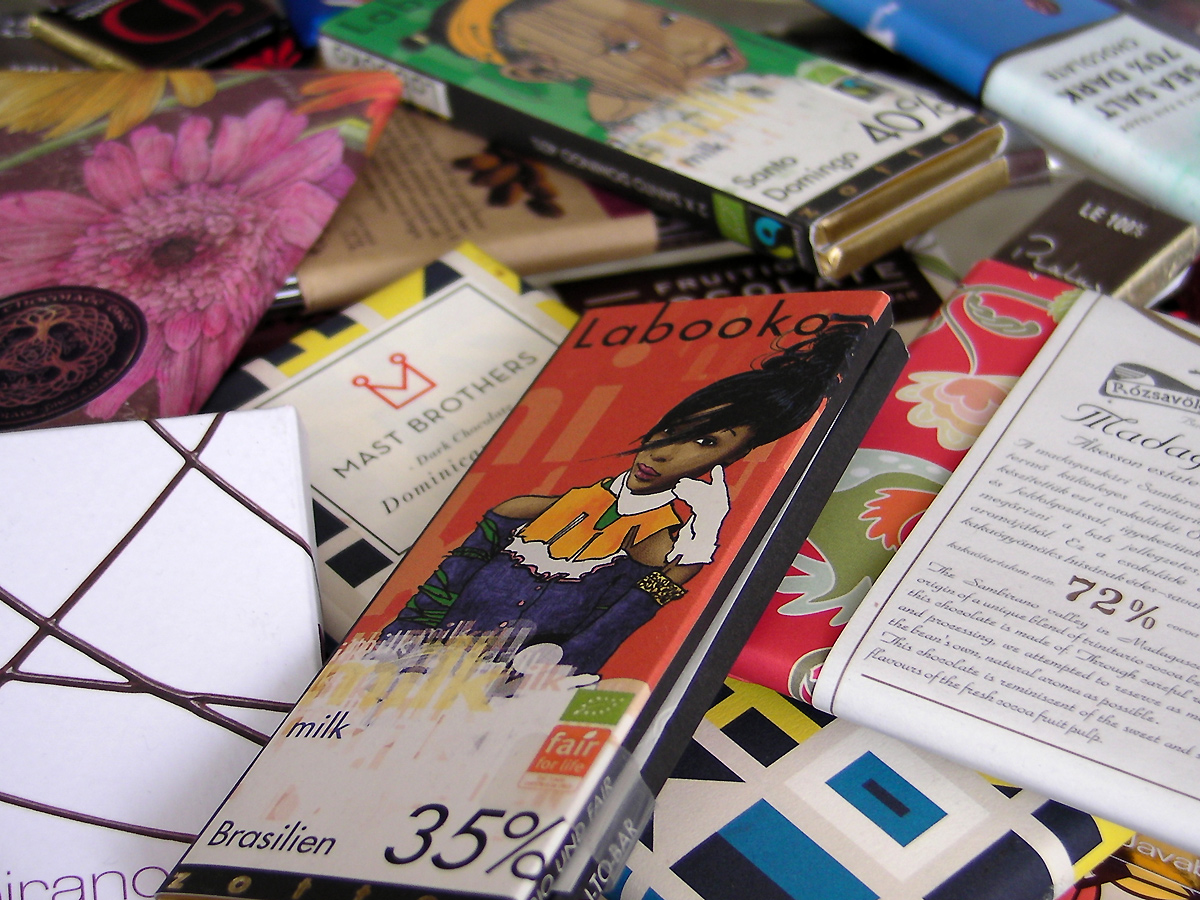
We’ve put together this unique collection of bars from some of the best makers in the world with something for every taste. You’ll find chocolate from Fruition, Soma, Amedei, Valrhona, Idilio, Zotter, Domori and many, many more crammed into this delicious box. And it could all be yours to share or keep to yourself!
Update: This competition has now closed!
Tweet This | Share On Facebook

All this and more could be yours…
Competition Rules
- This competition is open to UK residents only. If you are outside the UK, you may still enter, but should you win, your prize can ONLY be delivered to a mainland UK address.
- One entry per household.
- The winner will be picked at random from correct entries and notified by email. The name of the winner will also be announced on our Facebook and Twitter pages.
- Chocablog staff writers may not enter.
- The competition is open to UK residents only.
- The competition closes on Friday 18th July 2014.
- The judges’ decision is final.
- Rules are subject to change without notice.

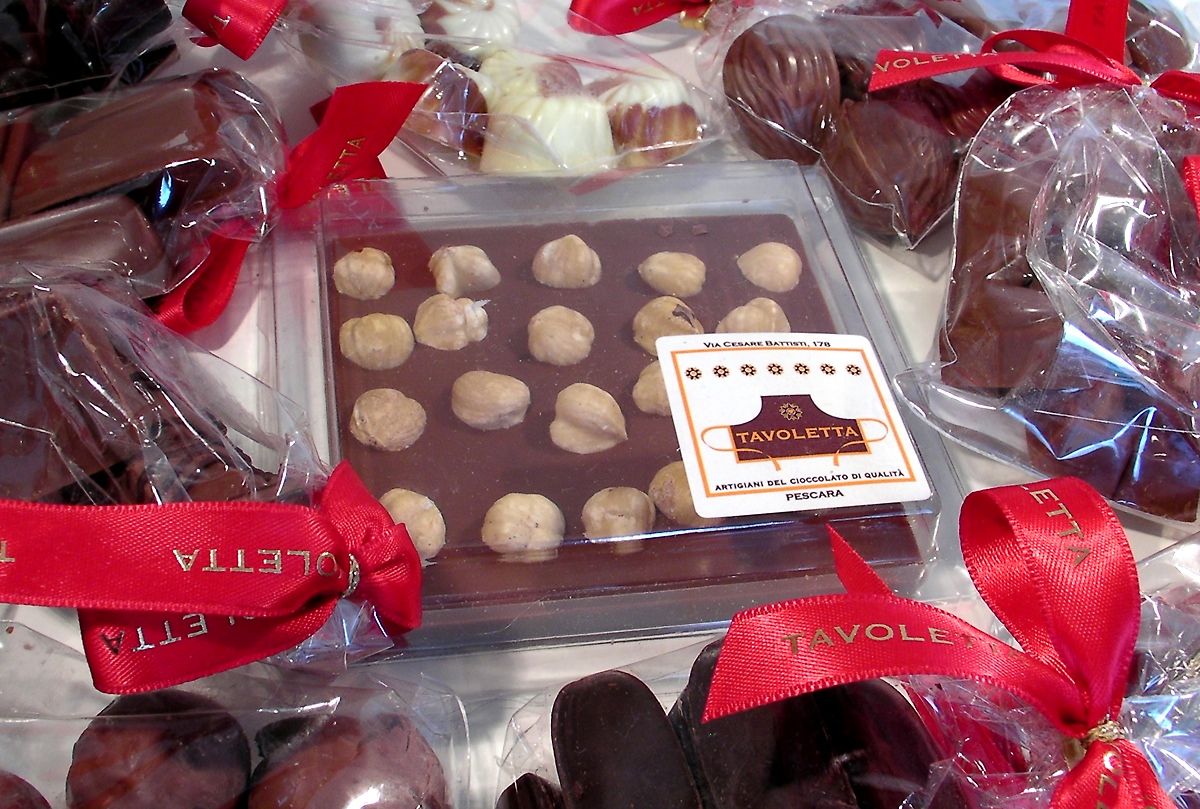
When Cioccolato Tavoletta said they were sending me a few samples from Italy, I wasn’t expecting the giant crate that arrived at my door containing a small bag of everything from the Tavoletta range.
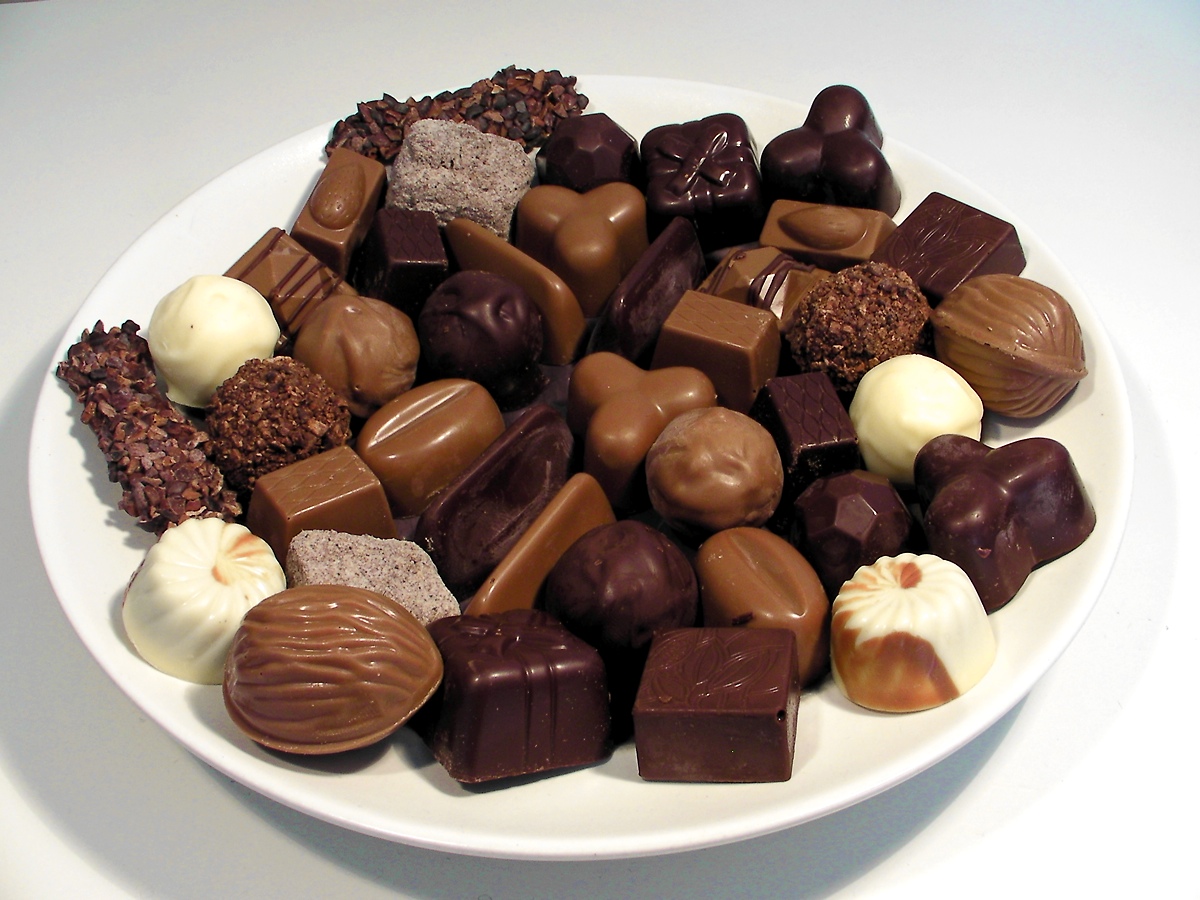
As it turns out, the sheer volume of chocolate they sent it as difficult to photograph as it is to consume, so in order to make my life a little easier, I decanted a couple of each chocolate onto a plate.
There. Much better.

With all the chocolates laid out, my task was a little less daunting, but still not entirely simple, given the labelling is all in Italian. Thankfully, the Tavoletta website is in English and has a handy page explaining what all the chocolates are.
Still there’s rather a lot to get through, so rather than writing about them all, I’m just going to pick out a few of my personal highlights.

Gaudi Ottoni
These simple milk or dark chocolate bars are filled with gianduja (chocolate combined with hazelnut paste. While the dark chocolate version is nice, the shell is a little bitter, but the milk chocolate version is deliciously creamy and nutty.
Parmigiano
One of the more unusual and interesting chocolates in the collection; a white chocolate ganache made with cream that’s been infused with parmesan. Although the texture is a little grainy, it kind of works. There’s a definite hint of parmesan to it, and it’s not too sweet for a white chocolate either.
Diamante Della Felcita
The website describes this as “A diamond shaped praline in dark chocolate encasing a creamy, crunchy, fruity, salty and spice infused filling” but doesn’t actually go into specifics about what the fruity & spicy flavours are. Tasting it, they’re quite subtle, but work very nicely. I don’t know what it is, but I kinda like it.

Trere
Another chocolate that comes in both milk and dark chocolate versions. A “three pronged” chocolate where each prong contains a while roasted piedmont hazelnut. As with previous chocolates, I think the milk version works a little better, but either way, these simple chocolates are quite moreish.
Cotognata
I love fruity chocolates, and the flavour of this dark chocolate with quince apple jelly did was great. It was a little let down by a very thick chocolate base that made it quite difficult to eat, but it was still a favourite for me.

Much of this range are quite traditional pralines, which are fine, but they’re just not my thing. For me, there’s only so many ways you can combine nuts and chocolate before it starts to get a little repetitive.
For the most part though, I did enjoy this selection. In terms of quality, they’re above average, but unfortunately not outstanding. That’s partly down to European tastes, which are more conservative than some of the top London chocolatiers that I’m used to, but I’d still love to see a few more imaginative flavours. Most importantly at all, I’d like to see higher quality chocolate used – particularly in the dark chocolates.

It’s probably no surprise that chocolate is what drew me to Hawaii. The bean-to-bar revolution happening in mainland USA has certainly had an impact in the Pacific island chain, and I managed to visit no fewer than four chocolate factories during the course of my 10 day stay.
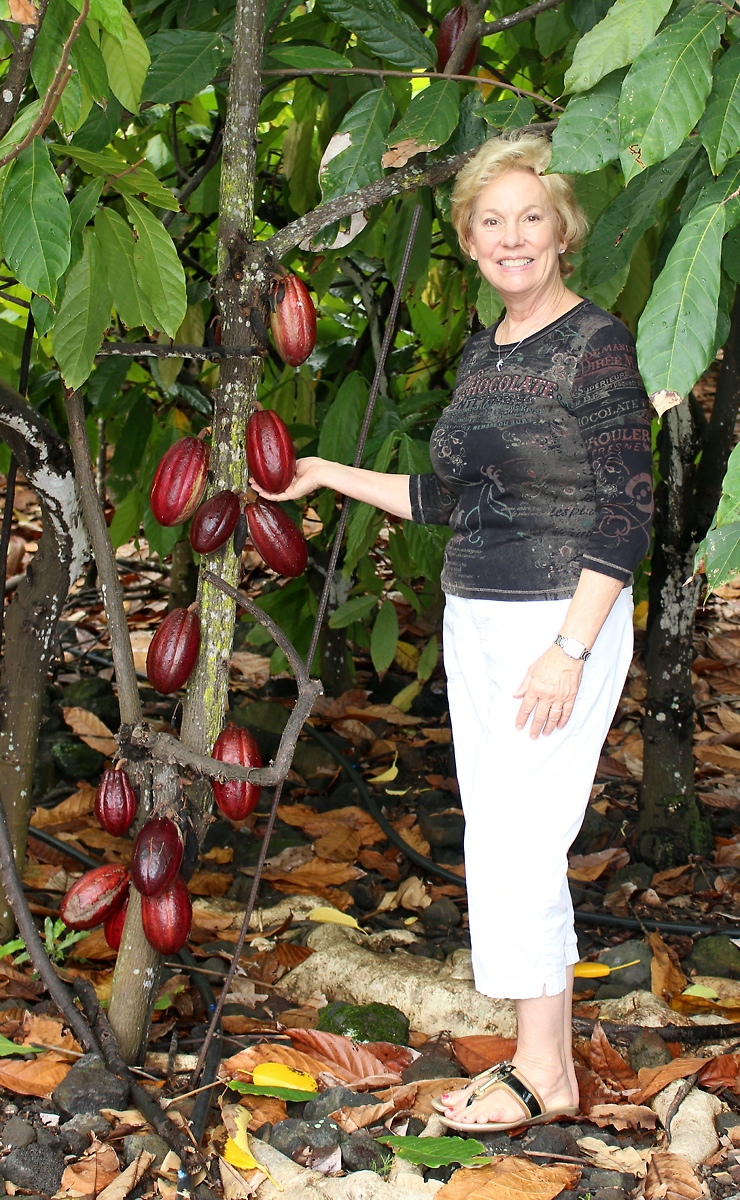
But what really drew me there was the cocoa. You might know that with its southerly location, Hawaii has the distinction of being the only US state where cocoa can grow. So one of the most exciting parts of my trip was a visit to the Original Hawaiian Chocolate Factory on Big Island.

OHCF don’t just make chocolate from the bean, they grow the cocoa for it on site. Where most chocolate companies have all sorts of logistical and ethical issues sourcing beans from around the world, Bob and Pam Cooper can see the trees from the factory window.
Hawaii’s climate is challenging for cocoa farmers, forcing OHCF to harvest their cocoa pods every two weeks, year round. With small, regular harvests, maintaining consistency throughout the fermentation, drying and chocolate making process is no easy task.

With pods at all stages of development on every tree, finding the ripe ones can be a challenge in itself. A small cut in the pod to check the colour of the flesh underneath helps the team identify the ripe pods. The farm is relatively small, with 1,400 trees, but checking and maintaining every tree is a major task.
Looking around the farm, it’s clear to see why many smaller farmers struggle to make a living from their crop. It’s a lot work for a crop that is ultimately undervalued. The cocoa price may be on the rise, but while much of the world is addicted to cheap confectionery chocolate, for many farmers around the world it’s simply not a worthwhile endeavour.

Of course, OCHF have a major advantage in that there are no middlemen taking a cut along the way, and all the cocoa they grow (along with that from a couple of neighbouring farms) goes straight into their own factory.
And a very impressive factory it is too.

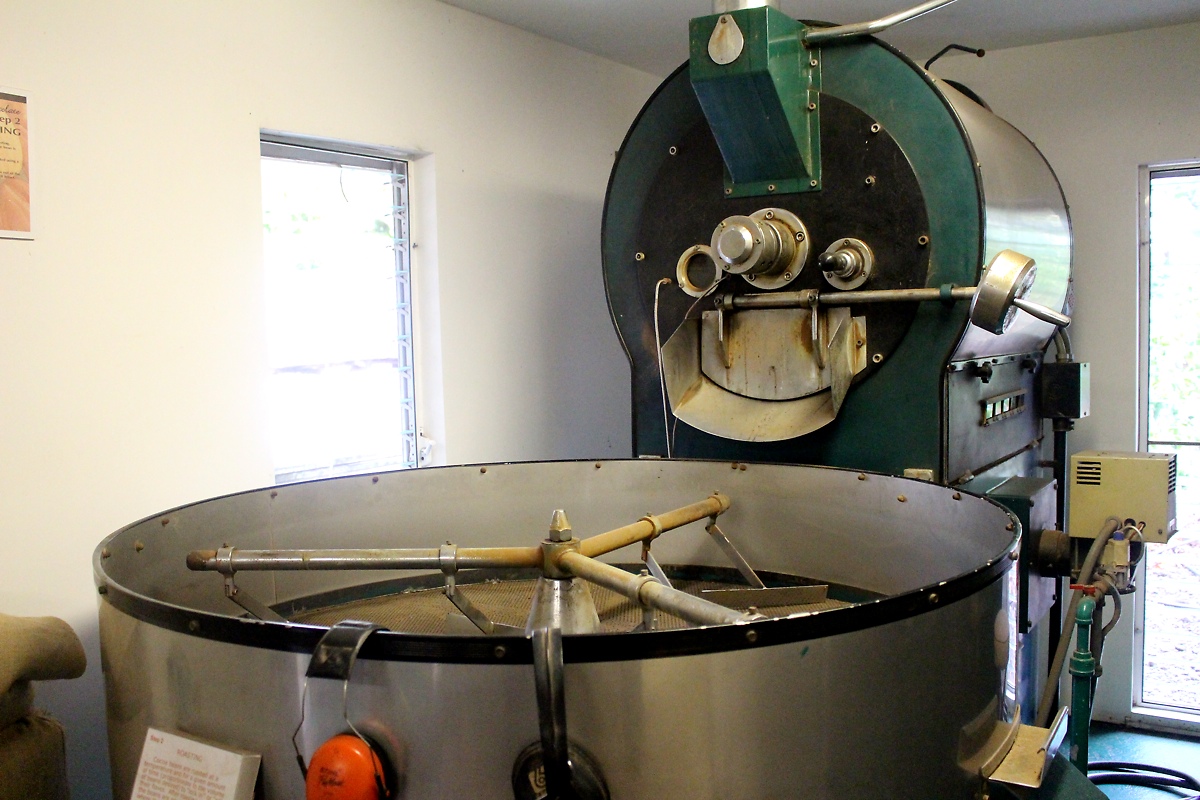
The Coopers have invested significantly in chocolate making machinery at OHCF. And while it’s still small by most chocolate making standards, it’s significantly bigger than any of the other chocolate makers in Hawaii – and bigger than most I have come across.
While many small-batch chocolate makers rely on a small Cocoa Town melanger and a DIY winnower, the Coopers opted to source the kind of equipment you’re more likely to find in a more automated chocolate company. This is serious kit.

It might seem like overkill when compared to the likes of Manoa or Madre, but in order to make the farm financially viable, it’s a necessary investment.
OHCF currently have a range of three main bars; a milk chocolate, dark chocolate and a dark chocolate made with Criollo beans from a neighbouring farm (different variety beans are kept separated to prevent cross-fertilisation).
Tasting the bars, I feel they’re designed to appeal more to the mass market than they are to the bean-to-bar connoisseur. Despite my preference for the more refined small batch chocolates out there, that’s not necessarily a bad thing.
It proves that even an every day chocolate bar can be produced from tree to bar, efficiently, ethically and sustainably without commodity trading middlemen skimming off more than their fair share. It’s good for the industry and it’s great for a local economy that’s still feeling the effects of economic recession.
I thoroughly enjoyed my visit to The Original Hawaiian Chocolate Factory. There is a public tour and if you get a chance, it’s well worth visiting. It’s truly wonderful to be able to see how chocolate is made from the first flowers growing on the trunks of the cacao tree right up to a finished chocolate bar. It certainly made me appreciate chocolate and the people that make it more than ever.
Photo Gallery

Back in 2011, I reviewed William Curley’s book Couture Chocolate, a beautiful tome packed with inspirational and indulgent chocolate recipes. It’s fair to say that Couture Chocolate is one of my favourite chocolate books, but if it has one flaw, it’s that it’s very technical.
Even with clear and precise instructions, I found the recipes challenging, and the results of my efforts – while tasty – never looked quite like William’s. As if they wood.
With that in mind, I was keen to see how William – together with wife Suzue – would broach the notoriously technical subject of patisserie in their new book.

From the outset, this book is just as beautiful as Couture Chocolate, with photos illustrating the step-by-step process of creating your pastry masterpiece, next to mouthwatering illustrations of the finished product. But there’s much more to Patisserie than that.
The book examines both the long history of patisserie and pastry making, as well as taking a look at some of the chefs who have influenced William & Suzue.
There is a chapter dedicated to the basics, looking individually at an array of ingredients, with photos, storage information and use cases. Kitchen equipment and utensils are explained in similar detail. A lot of thought has been put into explaining every detail, from how to store your yuzu to what kind of peanuts to buy. Nothing is left to chance.
The recipes take a similar ground-up approach, starting with the most basic pastry, sponge and meringue recipes. You’ll learn how to work with each of the basic ingredients, how to work with chocolate, make caramels and an array of other foundation topics.

The real patisserie recipes don’t start until almost half way through this 340 page book, and the same attention to detail is applied to each and every one. With recipes for everything from cakes and tarts to macarons and gateaux (not to mention entremets, petit fours, possets and eclairs), beautiful, clear photography illustrates each step of the process, and instruction refer back to the foundation recipes where required.
It’s an inspirational book that has me excited to try some of the recipes myself. But at the back of my mind, I know I’m never going to be a pastry chef and my patisserie is never going to look quite like William & Suzue’s. A book – even one as wonderful as this – is ever going to be a substitute for formal training.
That’s not going to stop me trying though.